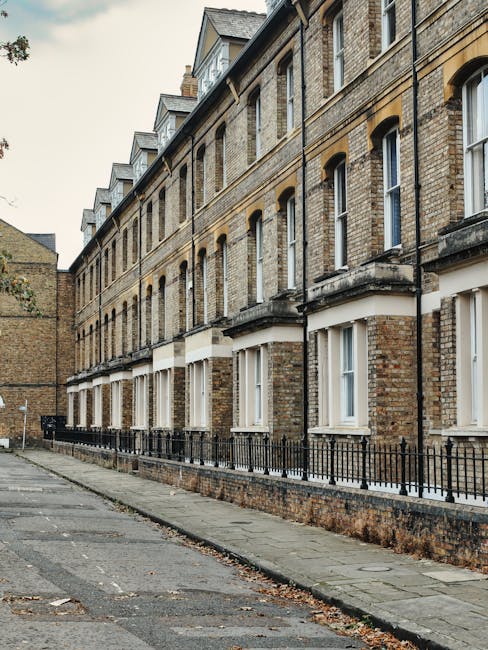
Finsbury Park Cleaning Guide for N4 Flats in Haringey
If you live in a flat in N4, you already know the little cleaning complications that make London homes feel bigger than they are. Dust settles fast, hallway traffic brings in grit, and a "quick tidy" can turn into a proper Saturday job before you've even finished your tea. This Finsbury Park cleaning guide for N4 flats in Haringey is here to make the process simpler, calmer, and a lot more effective. Whether you're preparing for guests, refreshing a rental, moving in, or just trying to keep on top of everyday mess, the right approach matters.
In this guide, you'll find a practical flat-cleaning routine, the most common problem areas in N4 homes, what to prioritise first, and how to choose the right level of service without overpaying for work you don't actually need.
Table of Contents
- Why Finsbury Park cleaning guide for N4 flats in Haringey Matters
- How Finsbury Park cleaning guide for N4 flats in Haringey Works
- Key Benefits and Practical Advantages
- Who This Is For and When It Makes Sense
- Step-by-Step Guidance
- Expert Tips for Better Results
- Common Mistakes to Avoid
- Tools, Resources and Recommendations
- Law, Compliance, Standards, or Best Practice
- Options, Methods, or Comparison Table
- Case Study or Real-World Example
- Practical Checklist
- Conclusion
- Frequently Asked Questions
Why Finsbury Park cleaning guide for N4 flats in Haringey Matters
Finsbury Park is busy, well-connected, and full of different types of flats: converted terraces, purpose-built apartments, period maisonettes, and modern developments. That variety is exactly why a generic cleaning routine often falls short. A ground-floor flat near a busy road may collect more dust and soot around windows. A top-floor conversion might struggle more with stairs, awkward corners, and roofline cobwebs. A modern flat, meanwhile, can look clean at first glance but hide grime in extractor fans, seals, and hard flooring joints.
To be fair, flats also age differently from houses. Shared entrances, stairwells, and bin areas can affect how clean a home feels day to day. That means your cleaning plan should account for both what is inside your flat and what is coming in from outside. If you miss that bit, you end up cleaning the same surfaces over and over.
There's also the emotional side. A clean flat simply feels easier to live in. Cooking is nicer. Guests don't make you panic. And on a wet London afternoon, stepping into a fresh-smelling living room does a lot more for your mood than people admit.
For households that want a more structured routine, a service like regular cleaning can help keep the background mess from becoming a bigger problem. If things have already got away from you a bit, a deeper reset through deep cleaning is often the more sensible starting point.
How Finsbury Park cleaning guide for N4 flats in Haringey Works
The simplest way to think about flat cleaning is in layers. First, you remove clutter. Then you clean visible surfaces. After that, you deal with detail work: skirting boards, taps, limescale, kitchen grease, bathroom residue, and soft furnishings. Finally, you check the places people forget, like handles, switches, under appliances, and the tops of cupboards.
In an N4 flat, this layered approach is especially useful because space is tight. If you clean before clearing surfaces, you keep moving the same items around. That's when the job feels endless. If you clean in a sensible sequence, you get actual momentum. Oddly satisfying, really.
A good cleaning plan also changes depending on the reason you're cleaning:
- Routine upkeep: a lighter clean focused on visible areas and hygiene hotspots.
- One-off refresh: a more detailed clean after illness, a busy period, or a neglected stretch.
- Move-related clean: a more intensive process for moving in or out of a tenancy.
- Specialist clean: add-ons for carpets, ovens, upholstery, or windows when those items need proper attention.
If you are deciding between a general tidy and a more intensive service, one-off cleaning is often the middle ground that makes sense for flats in this area. It's more thorough than a standard tidy, but not as heavy-duty as a full reset.
Key Benefits and Practical Advantages
A solid flat-cleaning routine does more than make things look neat. It supports the way your home functions day to day.
- Better air feel: dust, cooking residue, and textile fibres build up quickly in compact flats.
- Less visual clutter: when surfaces are clean, a small space instantly feels bigger.
- Faster upkeep: staying on top of grime means future cleans take less effort.
- Improved guest readiness: you are never starting from zero before visitors arrive.
- Protection for finishes: regular care helps paintwork, floors, taps, and appliances last longer.
- Less stress during moves: especially helpful in a rental-heavy area where deadlines are tight.
There is also the practical benefit of knowing what to leave to specialists. For example, a tired sofa, stained rug, or muddy hallway carpet can make a flat feel messier than it really is. In those cases, targeted care such as carpet cleaning or sofa cleaning can have a bigger visual impact than another hour spent wiping shelves.
Expert summary: In small flats, results come from sequence, not speed. Clear first, clean second, and always finish with the problem spots that affect how the home feels: kitchen grease, bathroom residue, soft furnishings, and entryway dust.
Who This Is For and When It Makes Sense
This guide is useful if you live in a Finsbury Park flat and want a smarter plan rather than just more elbow grease. It is especially relevant for:
- tenants preparing for a move-out inspection
- new renters settling into a flat that needs a proper refresh
- busy professionals who want a manageable weekly or fortnightly routine
- landlords and letting agents wanting presentable turnarounds
- flatmates trying to agree on a shared standard without endless debate
- airbnb or short-stay hosts who need reliable turnaround cleaning
If you're moving, the cleaning priorities change a bit. For example, you may care less about maintaining a spotless fridge every week and more about making sure bathrooms, skirting, limescale, and floors are handled properly before handover. In that situation, move-out cleaning or end of tenancy cleaning is usually more appropriate than a standard domestic tidy.
And if you're moving into a new place, it often helps to start with move-in cleaning so you can unpack into a space that feels genuinely fresh, not just technically empty.
Step-by-Step Guidance
Here's a practical flat-cleaning sequence that works well in real homes, not just on paper.
- Start with ventilation. Open windows for a bit if weather and security allow. A stuffy flat makes cleaning feel heavier than it is.
- Clear surfaces room by room. Pick up clothes, mail, toiletries, chargers, and random bits first. You can't clean around every object forever.
- Deal with the kitchen first. Wipe worktops, cabinet fronts, splashbacks, handles, and the hob. Kitchen grime spreads quickly, especially if you cook often.
- Focus on the bathroom next. Clean the basin, toilet, taps, shower screen, tiles, and any soap residue. Check around sealant lines and behind the toilet lid. Yes, behind there too.
- Move on to floors. Vacuum first, then mop hard floors. In compact flats, dust gathers at the edges where it is easiest to miss.
- Clean high-touch areas. Door handles, switches, railings, remote controls, and cupboard pulls make a bigger difference than people expect.
- Finish with soft furnishings. Shake cushions, vacuum upholstery where suitable, and refresh rugs or mats.
- Check the "boring corners." Skirting boards, behind radiators, window tracks, extractor covers, and under beds are usually the final 10% that makes the home feel properly done.
For deeper stain or texture issues, it can make sense to combine this with specialist help. A flat with pets, for instance, may benefit from rug cleaning or upholstery cleaning if vacuuming alone is not shifting smells or marks.
A simple room-by-room order that saves time
Living room, kitchen, bathroom, bedroom, hallway. That order usually works well in N4 flats because it lets you save the messiest, most water-heavy work until after dust and loose debris are already removed. Small detail, big difference.
Expert Tips for Better Results
The trick with flat cleaning is not working harder. It's working in a way that avoids redoing things.
- Use the top-to-bottom rule. Dust drops. If you wipe shelves after floors, you'll be annoyed with yourself by minute 20.
- Let products sit briefly. In bathrooms and kitchens, a short dwell time helps loosen grime. Don't scrub immediately every time.
- Work with the light. Afternoon sun through a window often reveals spots you missed in the morning.
- Keep one microfibre cloth for glass and one for grease. Mixing them up leads to streaks and frustration.
- Don't over-wet hard floors. Especially in older flats with timber sections or mixed flooring.
- Pay attention to extractor fans and vents. These are classic dust traps in compact homes.
- Clean the entry area twice as often as you think. Shoes, umbrellas, bin runs, and the lovely London rain all come through the front door.
If you want a cleaner flat with less friction, a steady routine usually beats dramatic deep cleans every few months. That said, a proper reset now and then is still worth it, especially after a busy season, a party, or a long winter where everything feels a bit damp and grey.
For homes with heavily used kitchens, pairing general cleaning with oven cleaning can make the whole flat feel sharper. It's one of those jobs nobody enjoys, but the difference is hard to ignore.
Common Mistakes to Avoid
Even in a tidy-looking flat, a few common cleaning mistakes can make the results feel underwhelming.
- Cleaning without decluttering first. This is the big one. It doubles the work.
- Using one cloth for everything. That just moves grease and bacteria around.
- Ignoring hidden touchpoints. Handles, switches, and fridge seals are easy to miss but matter a lot.
- Forgetting shared areas. In flats, the hallway or entrance often shapes first impressions.
- Leaving the kitchen until last. Grease gets harder to remove once it settles.
- Trying to do everything in one rush. You end up tired, rushed, and half-satisfied.
A mistake I see a lot is people focusing on what they can see from the doorway. Fair enough, that's the part guests notice first. But the real standard of a clean flat is in the details: the sink edge, the skirting, the corners of shower glass, the dust behind the sofa. That's where the difference lives.
Tools, Resources and Recommendations
You do not need a cupboard full of fancy products to keep an N4 flat in good shape. In most homes, a small, sensible kit works best.
- microfibre cloths
- vacuum cleaner with a crevice tool
- bucket and mop for hard floors
- soft scrub brush for tiles and grout lines
- glass cloth or lint-free towel
- all-purpose cleaner suitable for your surfaces
- limescale remover where appropriate
- rubber gloves
- bin liners and a small caddy for carrying items from room to room
For households that want to reduce repeat effort, it helps to create a "flat reset" box: cloths, sprays, gloves, spare bin bags, and a small brush all in one place. It sounds minor, but it saves time when you only have half an hour before leaving for work.
If your flat needs more than a basic refresh, browsing relevant services such as domestic cleaning or house cleaning can help you judge what level of support fits your schedule and budget. For more specific fabric or floor issues, mattress cleaning can also be useful in smaller homes where bedding and sleep hygiene matter a lot.
Law, Compliance, Standards, or Best Practice
For most flat cleaning in Haringey, the main thing is not legal complexity but good practice. That said, there are a few points worth keeping in mind.
If you're hiring a cleaner or service provider, it is sensible to ask about insurance, safety procedures, and how they handle belongings, access, and any incidents. You may also want to check terms, payment arrangements, and privacy handling before booking. The basics matter. No one wants surprises once the keys are handed over.
If cleaning is happening in a shared building, residents should be mindful of communal areas, noise, access rules, and waste disposal. In practice, that means not blocking hallways with equipment, keeping lifts and stairs clear, and handling rubbish responsibly. If the building has shared spaces that need regular attention, communal area cleaning may be the right support rather than expecting each flat to manage it alone.
From a best-practice perspective, clear communication is the real standard. If a flat is being cleaned for a move, rental handover, or short-let turnover, make sure expectations are specific: what rooms are included, what items stay, what needs specialist attention, and what level of finish is expected. Vague instructions are where cleaning jobs go sideways.
For official business matters, it is also sensible to understand service policies, such as pricing and quotes, terms and conditions, and the provider's approach to insurance and safety. That's just common sense really.
Options, Methods, or Comparison Table
If you're not sure whether to handle the clean yourself or book help, this comparison should make the decision a bit easier.
| Approach | Best for | Pros | Limits |
|---|---|---|---|
| DIY routine clean | Weekly upkeep, light mess, small flats | Low cost, flexible, easy to repeat | Time-consuming, easy to miss detail areas |
| One-off deep clean | Neglected flats, post-event resets, seasonal refreshes | Thorough, fast results, noticeable transformation | Not always enough for move-out or specialist issues |
| Regular cleaning | Busy households, professionals, stable routines | Keeps standards consistent, reduces buildup | Requires scheduling and ongoing budget |
| Specialist add-ons | Ovens, carpets, sofas, windows, mattresses | Targets stubborn problem areas | Usually best as part of a broader plan |
In many N4 flats, the smartest answer is a hybrid one. Keep a manageable weekly routine, then add a deeper service when life gets busy or the home needs a reset. That's often the sweet spot.
Case Study or Real-World Example
Here's a very typical scenario. A two-bedroom flat near Finsbury Park has two flatmates with different schedules, one dog, and a kitchen that gets used properly every day, which is another way of saying it gets messy quickly. By Friday evening, the bin area smells, the hallway floor looks dull, and the bathroom mirror has the kind of spots nobody notices until guests are already outside.
Instead of trying to do a full blitz on Sunday, they split the clean into a workable plan. One person clears clutter and loads laundry. The other handles the bathroom and kitchen surfaces. They vacuum before mopping, wipe down the front door area, and finish with the sofa cushions and rug in the living room. The whole flat does not become showroom perfect. That would be a bit unrealistic. But it feels breathable again.
A month later, they decide to add targeted help for the sofa and rug because the dog has left a permanent "lived in" smell. That is where specialist support can make the whole place feel transformed without trying to deep-clean everything from scratch each time.
The lesson? Don't treat flat cleaning like a single big event. Treat it like a system.
Practical Checklist
Use this checklist before you call a flat truly clean.
- Clutter removed from visible surfaces
- Bins emptied and liners replaced
- Kitchen counters, hob, splashback, and handles wiped
- Bathroom basin, toilet, shower, and taps cleaned
- Mirrors and glass checked for streaks
- Floors vacuumed and mopped where appropriate
- Skirting boards and corners inspected
- Door handles and switches wiped
- Soft furnishings vacuumed or refreshed
- Entry area cleaned and mats shaken out
- Windows, tracks, and sills checked
- Any special items flagged for specialist cleaning
Quick reality check: if you can stand in the doorway and immediately spot dust on the skirting, a greasy patch in the kitchen, or bathroom residue on the taps, the flat probably isn't finished yet. A little more effort there pays off.
Conclusion
The best Finsbury Park cleaning guide for N4 flats in Haringey is the one that works in real life, not the one that looks perfect on a clipboard. Flat cleaning gets easier when you build a repeatable order, treat problem areas properly, and stop trying to do everything at once. In a busy part of London, that kind of practical system is worth more than a heroic weekend scrub.
Whether you want a fresher home, a smoother move, or a better routine that fits around work and life, start with the basics and build from there. And if your flat needs a proper reset, there's nothing wrong with getting support for the heavier jobs. Sometimes that's the most sensible move, honestly.
Get a free quote today and see how much you can save.
Clean spaces are not about perfection. They're about making home feel easy again, which is a lovely thing when you get there.
Frequently Asked Questions
What is the best way to clean a flat in Finsbury Park?
The best way is to work room by room, starting with clutter removal, then kitchens and bathrooms, then floors and soft furnishings. In compact N4 flats, a clear sequence saves time and helps you avoid re-cleaning the same area.
How often should a flat in N4 be deep cleaned?
That depends on how you live, but many flats benefit from a deeper clean every so often rather than waiting until the place feels overwhelming. Busy homes, pet households, and rental properties usually need it more frequently than low-traffic homes.
Is regular cleaning enough for a rented flat in Haringey?
For day-to-day upkeep, regular cleaning can be enough. If you are moving out, dealing with heavy grease, or trying to restore a neglected flat, regular cleaning alone may not go far enough.
What should I clean first in a small flat?
Start with the kitchen or any cluttered shared space. Once surfaces are clear, the rest of the flat feels easier to manage. Bathrooms usually come next because hygiene issues become obvious quickly there.
Do I need professional help for end of tenancy cleaning?
It is often a good idea, especially if your tenancy is ending soon or the flat has a lot of detail work. A proper end-of-tenancy clean can cover the finish level landlords and letting agents commonly expect.
How can I make my flat look cleaner quickly before guests arrive?
Focus on visible surfaces, the bathroom, the kitchen sink area, floors, and the entryway. If time is tight, tidy first and clean the areas people notice most. That creates a strong impression fast.
What are the hardest areas to clean in a London flat?
Usually the kitchen grease, bathroom limescale, window tracks, skirting boards, and the dust that settles near radiators and behind furniture. In flats near busy roads, windows and sills can be extra stubborn too.
Can I combine flat cleaning with carpet or upholstery work?
Yes, and that often gives the best result. If flooring or furniture is making the whole home feel tired, targeted services such as carpet cleaning, sofa cleaning, or upholstery cleaning can make a big visual difference.
What's the difference between move-in cleaning and one-off cleaning?
Move-in cleaning is about preparing a new home before you settle in, while one-off cleaning is a more general intensive clean. They overlap, but the move-related version is usually more focused on handover readiness and starting fresh.
How do I keep a flat cleaner for longer?
Keep on top of clutter, wipe surfaces before grime hardens, empty bins regularly, and vacuum high-traffic areas often. A small routine done consistently works better than occasional marathon cleaning sessions.
Should I worry about safety when booking a cleaner?
Yes, in a sensible way. It's worth checking insurance, safety practices, and any relevant terms before booking. Good providers should be clear about how they work and how they handle your home and belongings.
Is communal cleaning important in flat buildings?
Very much so. Shared entrances, stairs, and hallways shape how clean the whole building feels. If those areas are neglected, even a spotless flat can feel less well cared for.
What if my flat has a lot of pet hair or odour?
Start with thorough vacuuming, soft furnishings, and washing what can be washed. For persistent smells or fibres, specialist cleaning for carpets, rugs, or upholstery is often the practical next step.
How do I choose between DIY cleaning and booking a service?
Choose DIY for light, routine upkeep. Book help when time is short, the mess is more than you expected, or the result needs to be noticeably better than a normal tidy. If you're unsure, a quote helps make the decision clearer.