Insurance and Safety
 Keeping people, property, and operations protected is at the heart of any responsible business. A strong insurance and safety approach helps reduce disruption, support compliance, and build confidence in daily activities. Whether work takes place on-site, off-site, or in a mixed environment, planning ahead is essential. By combining public liability insurance, structured staff training, effective personal protective equipment use, and a clear risk assessment process, organisations can create a safer and more resilient workplace.
One of the most important protections is public liability insurance. This cover helps businesses manage the financial impact of accidental injury to third parties or accidental damage to property. In practical terms, it supports the wider safety strategy by providing a layer of protection where incidents may still happen despite best efforts. A well-managed insurance and safety framework recognises that prevention and protection must work together, not separately.
Safe working practices also depend on staff training. Training gives employees the knowledge to identify hazards, use equipment correctly, follow procedures, and respond appropriately in an emergency. It is not enough to issue instructions once; effective training should be ongoing and relevant to the tasks being performed. Refresher sessions, toolbox talks, and role-specific instruction all help reinforce a culture where safety remains a daily priority.
 A high-quality training programme should cover both general awareness and task-specific risks. Employees need to understand reporting procedures, accident prevention methods, housekeeping standards, and the correct use of machinery or tools. Training should also explain how risk assessment supports decision-making. When staff understand the reasons behind controls, they are more likely to follow them consistently and contribute to safer outcomes across the business.
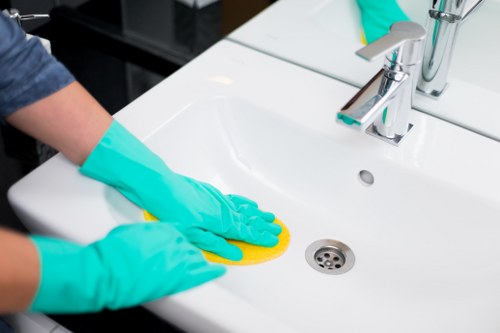
In many environments, PPE is an essential control measure. Personal protective equipment may include helmets, gloves, eye protection, hearing protection, masks, or high-visibility clothing, depending on the nature of the work. PPE should always be selected based on the hazards identified during assessment, and it must fit properly to be effective. The best safety and insurance arrangements rely on PPE being issued, worn, maintained, and replaced where necessary.
Insurance and safety management also requires regular checks to ensure PPE remains suitable for the task. Damaged or worn equipment can provide a false sense of protection and may increase the chance of an incident. Supervisors should encourage employees to report defects immediately and should ensure replacement items are available without delay. This simple step can make a significant difference in maintaining a secure workplace.
 The risk assessment process is central to effective control of workplace hazards. It begins with identifying what could cause harm, who may be affected, and how severe the harm could be. Once hazards are understood, suitable control measures can be put in place. This might include safer work methods, restricted access, warning signs, maintenance checks, or the use of PPE. A thorough assessment helps prioritise actions where they are needed most.
Risk assessments should be practical and specific to the activities being carried out. Generic documents may miss important details, so it is important to consider the real working environment, the people involved, and the equipment being used. Reviews should take place when there are changes to the work process, after an incident, or when new risks are introduced. This keeps the health and safety approach current and responsive.
An effective insurance and safety plan is not complete without clear records. Keeping accurate documentation of training, inspections, incidents, and risk assessments helps demonstrate control and supports continuous improvement. Records also show that hazards have been considered carefully and that action has been taken where required. Good documentation strengthens both operational safety and the organisation’s wider risk management position.
 Another key part of workplace protection is communication. Safety rules, emergency procedures, and any updates to working practices should be shared clearly with all relevant staff. Communication should be simple, consistent, and accessible to everyone involved. When people know what is expected of them, it is easier to maintain safe behaviours and avoid unnecessary exposure to danger.
Supervision plays an important role in reinforcing safety standards. Managers and team leaders should monitor whether procedures are being followed, whether PPE is used correctly, and whether training has been understood. Regular observation helps identify weak points before they become incidents. This proactive approach supports both the insurance position and the day-to-day protection of staff, visitors, and the public.
Organisations that treat safety as a shared responsibility are better placed to manage risk effectively. A robust system includes documented assessments, ongoing staff development, reliable PPE, and suitable public liability insurance. Together, these measures form a practical and balanced framework that protects people and helps the business operate with confidence.
 In summary, a well-structured insurance and safety page should show how prevention and protection work together. Public liability insurance provides financial support if something goes wrong, while staff training, PPE, and the risk assessment process reduce the likelihood of incidents in the first place. When these elements are reviewed regularly and applied consistently, the result is a safer environment and a stronger foundation for responsible operation.