Domestic Cleaning in Modern Homes: Practical Strategies for a Healthier, More Comfortable Living Space
Why Domestic Cleaning Matters in Everyday Life

Domestic cleaning plays a far bigger role in daily life than many people realize. A clean home is not only visually appealing; it also supports better hygiene, reduces stress, and helps create a more organized environment for everyone who lives there. Whether you manage a busy household, live alone, or share a property with family members, regular domestic cleaning can make a noticeable difference in comfort and well-being.
Many people search for domestic cleaning services or try to improve their own cleaning routine when they start noticing clutter, dust buildup, or a general lack of freshness indoors. In reality, domestic cleaning is about more than wiping surfaces. It involves thoughtful upkeep of living rooms, kitchens, bedrooms, bathrooms, floors, and high-touch areas that affect daily health and convenience.
When domestic cleaning is done properly, it helps maintain a pleasant atmosphere and can even protect furniture, appliances, and flooring from long-term wear. Consistent cleaning is a practical investment in the home, especially for households that want to stay on top of hygiene while also saving time and effort. For that reason, many property owners now view domestic cleaning as an essential routine rather than an occasional task.
What Domestic Cleaning Typically Includes
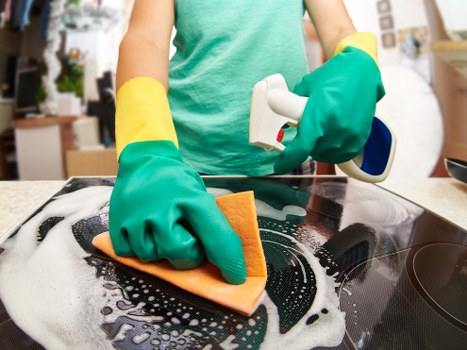
Domestic cleaning can cover a wide range of tasks, depending on the size of the property and the needs of the household. In most cases, it includes regular surface cleaning, dust removal, vacuuming, mopping, bathroom sanitation, kitchen hygiene, and general tidying. These tasks help reduce dirt, germs, and allergens that naturally collect in busy homes.
Every household has different priorities, which is why domestic cleaning services often vary in scope. Some homes need weekly upkeep, while others may benefit from deep cleaning at specific times of the month. A well-structured routine can include:
- Dusting shelves, furniture, skirting boards, and décor items
- Vacuuming carpets and rugs
- Cleaning and mopping hard floors
- Wiping kitchen counters, sinks, and appliance exteriors
- Sanitizing toilets, showers, baths, and bathroom sinks
- Emptying bins and replacing liners
- Cleaning mirrors, glass, and fingerprints on high-touch surfaces
Domestic cleaning is especially effective when tasks are matched to the rooms that need them most. Kitchens and bathrooms usually require more attention because they are exposed to moisture, grease, and frequent use. Bedrooms and living areas, on the other hand, may need more dusting, vacuuming, and clutter control.
Benefits of Regular Domestic Cleaning

One of the main reasons people invest time and energy in domestic cleaning is the immediate benefit to the home environment. A clean space tends to feel calmer, brighter, and more welcoming. This emotional benefit matters because the home is where people relax, work, eat, sleep, and spend time with family.
Regular domestic cleaning also supports better indoor air quality. Dust, pet hair, pollen, and other particles can build up quickly, especially in homes with carpets or soft furnishings. By vacuuming and dusting consistently, households can reduce allergens and create a healthier space for children, older adults, and people with sensitivities.
Another major advantage is preservation. Furniture, fixtures, and appliances tend to last longer when they are cleaned regularly. Routine domestic cleaning helps prevent grime from becoming permanent damage, which can reduce repair or replacement costs over time. It also keeps kitchens and bathrooms looking newer for longer, which is valuable in both owner-occupied and rented properties.
Key advantages at a glance
- Improved hygiene across all rooms
- Reduced dust and allergens
- Better organization and less clutter
- Longer-lasting surfaces and furnishings
- A more pleasant and stress-free living environment
Domestic Cleaning for Busy Households
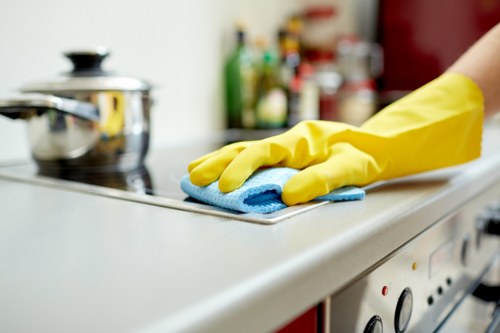
Busy households often struggle to keep up with domestic cleaning because of work schedules, school routines, childcare, commuting, and social commitments. In these situations, the cleaning process can start to feel overwhelming. That is why many families break tasks into smaller, manageable sections or create a rotating schedule to stay on top of the work.
Time-saving domestic cleaning strategies can make a big difference. For example, cleaning a little each day is often easier than trying to do everything in one long session. Quick daily habits such as wiping kitchen counters, putting away items immediately, and cleaning bathroom sinks can prevent buildup and make weekly domestic cleaning easier.
It also helps to focus on high-impact areas first. The kitchen, bathrooms, entryways, and living spaces usually affect how clean a home feels overall. Prioritizing visible and frequently used areas creates a more noticeable result even when there is limited time available. Many homeowners find that this approach keeps the home looking tidy without requiring constant deep cleaning.
Useful time-saving habits
- Make the bed every morning
- Wash dishes or load the dishwasher after meals
- Clean spills immediately before they set
- Keep microfiber cloths handy for quick wipes
- Assign simple chores to family members
- Use baskets or storage bins to reduce clutter
Deep Domestic Cleaning vs Routine Upkeep
Not all domestic cleaning tasks are the same. Routine cleaning focuses on keeping the home presentable and hygienic on a regular basis, while deep cleaning targets built-up dirt, hidden grime, and overlooked spaces. Both are important, but they serve different purposes.
Routine domestic cleaning may involve vacuuming, dusting, wiping counters, and cleaning bathrooms each week. Deep cleaning, however, often includes moving furniture, scrubbing behind appliances, cleaning inside cupboards, descaling taps, washing skirting boards, and tackling areas that are not cleaned as often. This deeper approach restores freshness and helps maintain a higher standard of cleanliness.
For many homes, the best results come from combining both methods. A regular domestic cleaning schedule keeps the property under control, while occasional deep cleaning removes the dirt that accumulates over time. This balance is especially useful in busy homes, properties with pets, or homes with children where mess appears quickly.
Typical deep cleaning focus areas
- Behind and under furniture
- Inside ovens and fridges
- Tile grout and bathroom corners
- Window ledges and frames
- Light switches, handles, and other touchpoints
- Air vents and hard-to-reach dust-prone spots
Rooms That Need the Most Attention
Every domestic cleaning routine should prioritize the rooms that collect the most mess and germs. Although the whole house benefits from attention, some areas naturally need more frequent care than others. Kitchens, bathrooms, living rooms, and hallways often require the most effort because they are used constantly.
The kitchen is one of the most demanding areas in domestic cleaning because food preparation creates crumbs, grease, stains, and odors. Countertops, sinks, cabinet handles, stovetops, and floors all need regular attention. Clean kitchens support better food safety and a more enjoyable cooking experience.
Bathrooms also deserve special care because moisture encourages the buildup of soap scum, mildew, and bacteria. Toilets, showers, bath tubs, mirrors, and sinks should be cleaned thoroughly and frequently. Even small tasks such as drying surfaces after use can reduce future buildup and make domestic cleaning easier overall.
Other important rooms
- Living rooms: dust, vacuum, and tidy soft furnishings
- Bedrooms: change bedding, dust furniture, and vacuum regularly
- Hallways: clean floors and remove outdoor dirt
- Utility rooms: maintain bins, appliances, and storage areas
How to Maintain a Clean Home Between Services
Even when domestic cleaning is handled by professionals or scheduled regularly, homeowners still benefit from simple daily maintenance. Small actions between cleaning sessions help preserve the results and reduce the need for constant heavy effort. These habits also make the home feel more orderly and easier to manage.
One effective approach is to reset each room before moving on to the next. Put items back where they belong, clear away papers, fold blankets, and return dishes to the kitchen. This approach prevents clutter from spreading and helps preserve the clean appearance of each space. Small habits create long-term results, especially when they are repeated consistently.
It is also useful to store cleaning tools in accessible places. A cloth, spray, mop, or handheld vacuum within easy reach makes it more likely that small messes will be dealt with immediately. In domestic cleaning, speed matters when preventing stains and buildup. The quicker a spill is handled, the easier it is to remove.
Simple maintenance routine
- Do a quick evening tidy-up
- Wipe kitchen and bathroom surfaces daily
- Shake out mats and rugs regularly
- Empty bins before they overflow
- Open windows when possible for fresh air
- Declutter one small area at a time
Choosing the Right Domestic Cleaning Approach
There is no single domestic cleaning method that suits every household. The best approach depends on lifestyle, home size, number of occupants, pets, children, and personal preferences. Some people prefer to handle everything themselves, while others benefit from occasional or regular professional support.
A do-it-yourself approach can work well when a household stays relatively organized and the cleaning demands are moderate. This option gives complete control over products, timing, and priorities. However, it can become time-consuming in larger homes or in properties where cleaning tasks build up quickly.
Professional domestic cleaning can be helpful when time is limited or when a higher level of consistency is needed. It may also be useful for deep cleaning before hosting events, after renovations, or during seasonal resets. Choosing the right cleaning support is about matching the service to the home’s needs, not simply choosing the cheapest or fastest option.
Questions to consider
- How often does the home need cleaning?
- Which rooms become untidy the fastest?
- Do any family members have allergy concerns?
- Is deep cleaning needed seasonally or monthly?
- Would help with domestic cleaning save significant time?
Eco-Friendly Domestic Cleaning Practices
Eco-friendly domestic cleaning has become increasingly popular because many households want effective results without relying on harsh chemicals. Environmentally conscious cleaning often uses biodegradable products, reusable cloths, and sensible water use to reduce waste while keeping the home hygienic.
Simple natural options can work well for many everyday tasks. For example, microfiber cloths can reduce the need for disposable wipes, while vinegar-based cleaners may be suitable for some hard surfaces. Baking soda can help with deodorizing and gentle scrubbing. Still, it is important to match any product to the surface being cleaned and follow safety advice carefully.
Green domestic cleaning is appealing because it often creates less indoor irritation and supports a more sustainable lifestyle. Choosing reusable and low-toxicity products can be both practical and responsible. Many households find that small changes, such as using refillable bottles and avoiding excess packaging, make a meaningful difference over time.
Eco-friendly tips
- Use washable cloths instead of single-use wipes
- Choose concentrated products that reduce packaging
- Ventilate rooms during cleaning
- Buy only the products actually needed
- Reuse spray bottles where possible
Seasonal Domestic Cleaning and Home Refreshing
Seasonal changes are a natural time to review domestic cleaning priorities. Spring, summer, autumn, and winter each bring different challenges, from muddy floors and pollen to closed windows and heating dust. Adjusting the cleaning routine to suit the season can make the home feel fresher all year round.
In spring, many households focus on clearing clutter, cleaning windows, refreshing bedding, and tackling overlooked areas. Summer domestic cleaning may focus more on airflow, dust control, and keeping floors clean as doors and windows are opened more often. Autumn often brings leaves, mud, and more indoor activity, so entrances and hallways need extra care. Winter cleaning may require more attention to ventilation, carpets, and high-use indoor areas.
Seasonal domestic cleaning is also a good opportunity to reorganize cupboards, donate unused items, and check for damage or wear. Refreshing the home at regular seasonal intervals helps maintain order and comfort. It can also make day-to-day upkeep easier because clutter and buildup are addressed before they become serious problems.
Seasonal checklist ideas
- Wash curtains or wipe blinds
- Rotate and clean bedding
- Clean windows and frames
- Sort storage spaces and declutter
- Vacuum under furniture and beds
- Inspect high-traffic areas for wear
Why Domestic Cleaning Supports Better Living
Domestic cleaning is not just about appearance. It contributes to a more organized, functional, and peaceful home life. When the home is clean, it becomes easier to relax, welcome guests, and complete everyday tasks without feeling distracted by mess. The benefits extend beyond the visible surface.
For many households, domestic cleaning also creates better routines. Clean spaces tend to encourage cleaner habits, since people are more likely to put things away, care for surfaces, and respect shared spaces. Children can also learn good habits by watching cleaning routines in action. This makes domestic cleaning a practical part of home management and family life.
In addition, a tidy and hygienic home can support confidence. People often feel more comfortable inviting others over when they know the space is clean and organized. A well-maintained home sends a positive message and helps create a sense of pride in the living environment. That emotional value is one of the strongest reasons domestic cleaning remains so important.
Long-term value of cleaning habits
- Encourages consistent order in the home
- Supports healthier indoor conditions
- Reduces stress linked to clutter and mess
- Protects finishes, fabrics, and fixtures
- Makes the home more welcoming every day
Final Thoughts on Domestic Cleaning in Today’s Homes
Domestic cleaning remains one of the most valuable ways to keep a home healthy, attractive, and manageable. From routine upkeep to deeper seasonal work, every cleaning effort contributes to a better living space. Homes naturally collect dust, dirt, and clutter, but the right cleaning approach can keep these issues under control without becoming overwhelming.
Whether you prefer to clean yourself or need support from a professional service, the key is consistency. A regular domestic cleaning routine saves time in the long run and prevents small issues from turning into bigger jobs. It also helps maintain the comfort, safety, and appearance of the home throughout the year.
If you are ready to improve your home environment, now is the perfect time to take action. Contact us today or book your service now to keep your space fresh, organized, and beautifully maintained. Domestic cleaning is not just a task; it is a smart way to care for the place you live in every day.