Communal Area Cleaning: Creating Cleaner, Safer, and More Welcoming Shared Spaces
Why Communal Area Cleaning Matters

Communal area cleaning plays a vital role in keeping shared environments pleasant, healthy, and functional. Whether the space is in an apartment block, office building, housing estate, student accommodation, or mixed-use property, the condition of communal spaces shapes how people feel about the entire building. A clean lobby, polished hallway, hygienic lift, and tidy stairwell immediately signal care and professionalism.
In busy buildings, these spaces are used by many people every day, which means dirt, dust, fingerprints, spills, and litter accumulate quickly. That is why regular communal area cleaning is not just about appearances. It helps reduce odours, limits the spread of germs, improves safety, and supports a more comfortable environment for residents, tenants, visitors, and staff. When shared spaces are neglected, the effect can be noticeable almost instantly.
For property managers and residents alike, clean communal areas can improve satisfaction, protect property value, and reduce complaints. The right cleaning approach also helps maintain flooring, walls, fixtures, and entrance areas for longer, which can lower repair and replacement costs over time.
What Counts as a Communal Area?
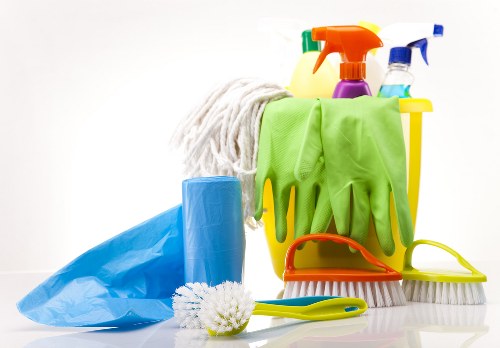
Before planning a cleaning routine, it helps to understand what qualifies as a communal area. These are the shared parts of a property that multiple people use. They vary depending on the building type, but they commonly include entrances, hallways, staircases, lifts, reception areas, shared kitchens, corridors, bin stores, laundry rooms, and external walkways.
In residential settings, communal area cleaning often focuses on door handles, bannisters, post areas, mats, glass panels, skirting boards, and floors. In commercial buildings, it may also include meeting room entrances, restroom corridors, communal breakout spaces, and customer waiting areas. The larger and busier the property, the more important it becomes to have a consistent cleaning schedule.
Some areas require special attention because they are touched frequently or exposed to heavy foot traffic. These often include light switches, intercom systems, lift buttons, handrails, and entry doors. A strong communal area cleaning plan identifies these high-contact zones and prioritises them accordingly.
Key Benefits of Professional Communal Area Cleaning
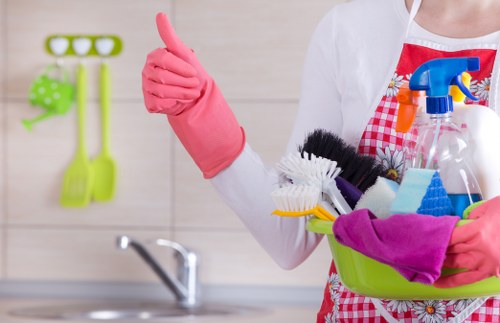
Professional communal area cleaning delivers far more than a tidy appearance. It creates a healthier environment by removing dust, grime, bacteria, and allergens that can build up in shared spaces. For residents with allergies or respiratory concerns, cleaner air and reduced dust can make a significant difference to everyday comfort.
Another major benefit is safety. Dirty staircases, sticky floors, or blocked entrances can create hazards, especially in areas with children, older adults, or high visitor traffic. By keeping communal spaces clean and well maintained, you reduce the risk of slips, trips, and falls. This is one reason many landlords and property managers treat communal area cleaning as an essential service rather than an optional extra.
There is also a strong visual benefit. A spotless entrance and well-kept hallway create a positive first impression for guests, clients, and potential tenants. In rental and commercial properties, that impression can influence occupancy rates, tenant retention, and overall reputation. In short, effective communal cleaning supports both practical needs and long-term value.
Common Tasks Included in Communal Area Cleaning
While every property has different needs, most communal area cleaning schedules cover a core set of tasks. These tasks are designed to maintain a consistent standard across all shared spaces. A typical service may include:
- Sweeping, vacuuming, and mopping floors
- Dusting surfaces, ledges, and skirting boards
- Cleaning lift interiors and buttons
- Wiping handrails, door handles, and light switches
- Removing litter and emptying bins
- Cleaning glass doors, mirrors, and internal windows
- Spot-cleaning marks on walls and surfaces
- Sanitising high-touch points
- Cleaning entrance mats and reception areas
Depending on the location, cleaners may also handle cobweb removal, deep cleaning of shared kitchens, washing down bin areas, or treating stains on carpets and upholstery. Some buildings require periodic deep communal area cleaning in addition to routine maintenance to keep everything in top condition.
Consistency matters. A cleaning company may follow a daily, weekly, or fortnightly schedule depending on footfall and property type. High-traffic buildings usually need more frequent attention, while smaller shared spaces may only need regular weekly service. The right plan should match the actual use of the property, not a generic template.
How Communal Area Cleaning Improves Health and Hygiene
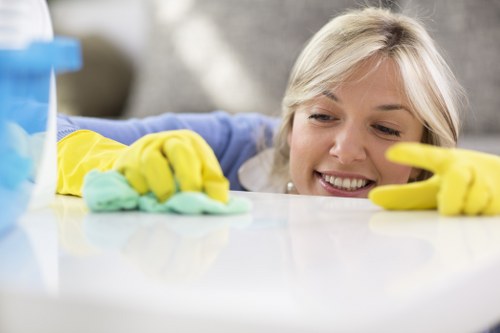
Shared spaces can easily become hotspots for bacteria and viruses because many people touch the same surfaces throughout the day. Communal area cleaning helps reduce this risk by targeting high-contact points and using appropriate cleaning products. In today’s environment, hygiene expectations are higher than ever, and residents or employees notice when shared areas feel neglected.
Good cleaning practices also help control dust and allergens. Stairwells, corridors, and entrance halls often collect dust from foot traffic, outdoor debris, and air movement. If this buildup is not managed, it can affect indoor air quality and create an uncomfortable environment. Regular vacuuming, dusting, and sanitising can make shared areas feel fresher and more breathable.
In buildings with shared waste disposal areas or communal kitchens, the health benefits are even more obvious. These spaces need to be cleaned thoroughly to prevent odours, pests, and contamination. A proper communal area cleaning routine reduces the chances of poor hygiene spreading from one part of the property to another.
Best Practices for Effective Communal Area Cleaning
To get the best results, communal area cleaning should follow a clear process. First, the cleaning team should assess the space and identify the busiest and most problematic areas. This helps create a realistic schedule that targets the areas most likely to become dirty or unsafe.
Second, the team should use the right equipment and cleaning products for each surface. For example, hard floors may require mopping with a neutral cleaner, while glass panels need streak-free cleaning solutions. Carpets, vinyl flooring, tile, and polished surfaces all respond differently, so using the wrong product can cause damage or leave residue behind.
Third, a reliable cleaning plan should include inspection and quality checks. Even the best communal area cleaning routine can lose effectiveness if it is not monitored. Supervisors or property managers should periodically review standards to ensure tasks are being completed properly and consistently.
Important quality points to check
- Are entrance areas free from litter and dirt?
- Are handrails, buttons, and handles visibly clean?
- Do floors appear fresh and well maintained?
- Are bins emptied before they overflow?
- Are odours under control in shared waste or kitchen areas?
Tailoring Cleaning to Different Types of Properties
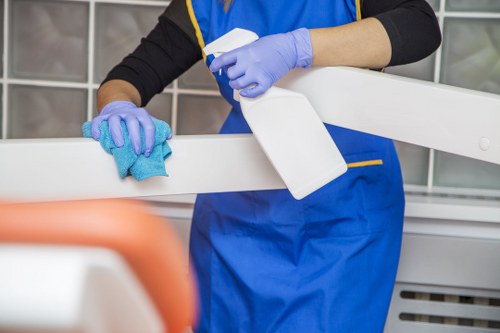
Not every building needs the same level of care. Communal area cleaning for a high-rise apartment block is very different from cleaning a small office reception or a student residence. The cleaning plan should reflect the building’s purpose, the number of users, and the amount of traffic it receives.
In residential buildings, residents expect a tidy and welcoming atmosphere. Hallways, lifts, staircases, and entrance lobbies need to be kept in good condition so that people feel comfortable at home. In office environments, communal area cleaning contributes to professionalism and staff morale. Clean breakout spaces, corridors, and shared meeting areas help create a better working environment.
Student accommodation presents another challenge because shared areas are often used heavily and may require more frequent attention. In these settings, communal area cleaning must be both efficient and adaptable. A strong cleaning plan can help prevent issues from escalating and keep the property in a condition that meets expectations throughout the year.
Choosing the Right Cleaning Frequency
One of the most important decisions in communal area cleaning is how often each area should be serviced. High-traffic spaces such as main entrances and lift lobbies may need daily attention, especially during wet or muddy seasons. Stairwells and corridors in quieter buildings may be fine with a few weekly visits.
Seasonal changes can also affect the schedule. During autumn and winter, dirt, rain, salt, and leaves are often brought inside, which increases the need for entrance cleaning and floor care. In spring and summer, dust and outdoor debris may be more common. An effective communal area cleaning plan should adapt throughout the year.
It is also worth reviewing occupancy patterns. If a building experiences peak visitor times, delivery traffic, or frequent events, then additional cleaning may be required. A flexible schedule is often better than a fixed one that ignores real-world usage. Regular assessment helps ensure the cleaning frequency remains suitable.
The Role of Cleaners, Property Managers, and Residents
Communal area cleaning works best when everyone understands their role. Professional cleaners handle the routine work, but property managers often coordinate access, schedules, and standards. Their job is to make sure the service aligns with the property’s needs and that concerns are addressed quickly when they arise.
Residents and tenants also play an important part. While they may not be responsible for professional cleaning, they can help keep shared spaces tidy by disposing of rubbish properly, avoiding spills, and reporting issues such as broken bins, leaks, or graffiti. When all parties contribute, communal spaces stay cleaner for longer.
This shared responsibility does not replace professional cleaning, but it supports it. A well-run communal area cleaning strategy combines regular maintenance with sensible everyday habits. That balance can significantly improve the condition of the property and reduce the workload on cleaning teams.
Simple habits that support cleaner shared spaces
- Dispose of rubbish in the correct bins
- Wipe up spills as soon as they happen
- Keep personal items out of corridors and entrances
- Report maintenance issues promptly
- Avoid leaving bags, boxes, or deliveries in shared walkways
Communal Area Cleaning and Property Value
Well-maintained shared spaces can influence how a property is perceived and valued. Buyers, tenants, and visitors all notice cleanliness. A neglected entrance or grimy corridor may suggest poor management, while a spotless communal area communicates care and attention to detail. This can make a real difference in competitive rental and commercial markets.
Regular communal area cleaning also protects surfaces and finishes from long-term wear. Dirt and grit can scratch floors, stain carpets, and dull painted surfaces if left unchecked. Over time, this can lead to expensive maintenance work. By investing in ongoing cleaning, property owners can extend the life of flooring, fixtures, and fittings.
For landlords and managers, this means communal area cleaning is not simply a maintenance cost. It is part of a broader asset protection strategy. In practical terms, cleaner communal areas often mean fewer complaints, fewer emergency cleaning calls, and better overall satisfaction among the people who use the property.
How to Identify a Reliable Cleaning Service
When choosing a provider for communal area cleaning, it is important to look beyond price alone. The cheapest option is not always the best if the service lacks consistency, proper equipment, or trained staff. A reliable provider should understand the specific requirements of shared spaces and be able to offer a cleaning plan that matches the property.
Experience is valuable because communal areas often present practical challenges such as restricted access, varied surface types, and different cleaning frequencies. A strong provider should also be able to adapt to special requests, seasonal changes, and urgent issues. The goal is to find a partner that delivers dependable results every time.
Professionalism should be visible in the details. That includes punctuality, clear communication, effective scheduling, and attention to high-traffic points. A good service will not simply “clean around” the problem areas; it will address them properly. For anyone responsible for a building, this level of care can make communal area cleaning much more effective.
What to look for in a provider
- Proven experience in communal area cleaning
- Flexible cleaning schedules
- Trained and supervised cleaning staff
- Use of suitable, safe products
- Clear focus on hygiene and presentation
Communal Area Cleaning Tips for Better Results
There are several practical ways to improve the outcome of communal area cleaning without making the process complicated. One helpful approach is to prioritise zones based on foot traffic. Entry points, lift areas, and shared touchpoints should be cleaned more frequently than quieter sections of the building.
Another useful strategy is to combine routine cleaning with periodic deep cleaning. Routine services handle visible dirt and daily wear, while deep cleaning tackles buildup in corners, grout, edges, and other neglected spots. This two-layer approach produces a better finish and keeps spaces fresher for longer.
It is also smart to keep a record of recurring issues. If one area becomes dirty faster than expected, that may signal a need for more frequent cleaning, better waste management, or a maintenance fix. Over time, these small observations can improve the efficiency of the entire communal area cleaning programme.
Seasonal Challenges in Communal Area Cleaning
Different seasons bring different cleaning problems. In wet months, mud, moisture, and leaves are commonly tracked into buildings, especially through main entrances and stairwells. This can make floors slippery and increase cleaning demands. Entrance mats and frequent mopping become particularly important during this period.
In warmer weather, dust, pollen, and insects can become more noticeable. Windows and communal corridors may need extra attention, and odour control becomes more important in bin stores and shared kitchens. Seasonal adjustments keep communal area cleaning effective all year round.
By anticipating these changes, cleaning teams can stay ahead of problems instead of reacting after the space looks poor. That proactive approach often produces the best results and keeps residents or staff happier with the overall environment.
Why Communal Area Cleaning Should Be Ongoing, Not Occasional
Some building owners only think about cleaning when a problem becomes visible. Unfortunately, communal areas deteriorate quickly when care is delayed. Dust settles, litter accumulates, and minor spills become stains. What could have been handled easily with regular cleaning can turn into a bigger and more expensive issue.
Ongoing communal area cleaning is more efficient because it prevents buildup before it becomes severe. It also helps maintain a consistent standard, which is far better for the people using the property every day. Shared spaces should feel cared for at all times, not just after a complaint or inspection.
This is why many successful properties treat cleaning as part of routine management. When communal area cleaning is built into the property’s operations, the result is a more reliable, safer, and more attractive environment. Consistency really is the key.
Final Thoughts on Communal Area Cleaning
Communal area cleaning is one of the most important services for any shared property. It supports hygiene, safety, appearance, and long-term property care. From lobbies and corridors to stairwells and lift areas, every shared space benefits from a consistent and thoughtful cleaning routine.
Whether you manage apartments, office buildings, student accommodation, or mixed-use sites, the value of regular communal area cleaning is hard to ignore. It improves the day-to-day experience of everyone who enters the building and helps create a more professional, welcoming atmosphere.
If you want cleaner shared spaces, fewer maintenance issues, and a better first impression, now is the time to act. Book your service now or Contact us today to arrange a cleaning plan that suits your property and keeps your communal areas looking their best.
Clean communal spaces are not just a luxury; they are a standard worth maintaining.