Rug Cleaning in Every Home: Practical Methods, Benefits, and Long-Term Care
Rug cleaning is one of the most important parts of keeping a home fresh, healthy, and visually appealing. Whether you have a delicate Persian piece, a durable wool runner, or a modern synthetic area rug, regular rug cleaning helps protect fibers, remove allergens, and extend the life of your flooring investment. Many homeowners underestimate how much dust, pet dander, spilled drinks, tracked-in dirt, and everyday wear settle into rugs. Over time, these particles affect not only appearance but also indoor air quality and comfort.
Choosing the right approach to rug cleaning depends on the material, construction, size, and level of soiling. Some rugs respond well to routine vacuuming and spot treatment, while others require deep rug cleaning methods to remove embedded contaminants. The right care routine can help preserve color, texture, and shape without causing shrinkage or fiber damage. If you want a cleaner, healthier home, understanding the basics of rug cleaning is a smart place to start.
In this article, we’ll explore the most effective ways to care for rugs, common cleaning mistakes to avoid, and when professional rug cleaning makes the biggest difference. You’ll also find practical tips for stain removal, maintenance, and seasonal care. If your goal is to keep your rugs looking their best, rug cleaning should be part of your regular home maintenance plan.
Why Rug Cleaning Matters for a Healthier Home
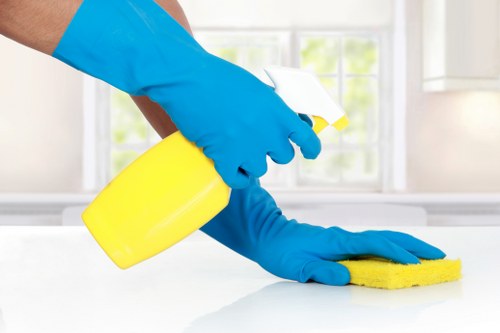
Rugs do much more than add style and comfort. They also act as filters, trapping dust, pollen, pet hair, bacteria, and other particles that circulate through a home. Without consistent rug cleaning, those trapped pollutants can build up and become a source of odors, allergens, and dull-looking fibers. This is especially important in households with children, pets, or anyone sensitive to indoor air quality.
Regular rug cleaning can improve the appearance of your space and create a fresher environment. Clean rugs make rooms feel brighter, more inviting, and more polished. Just as important, proper maintenance can reduce the breakdown of fibers caused by grit and soil. Tiny abrasive particles wear down the pile every time someone walks across it, so cleaning helps protect your investment.
There is also a hygiene benefit. Rugs near entryways, kitchens, or high-traffic zones tend to collect spills, moisture, and debris more quickly than rugs in lower-use rooms. With the right cleaning schedule, you can prevent stains from setting and reduce the chance of lingering odors. This is why many homeowners view rug cleaning as both a cosmetic and practical necessity.
Understanding Different Rug Materials
Not all rugs should be cleaned the same way. Material choice has a major impact on how a rug reacts to water, cleaning products, agitation, and drying time. Before starting any rug cleaning routine, it helps to identify the fiber type and construction. This can prevent damage and ensure more effective results.
Wool rugs are known for durability and softness, but they can shrink or felt if exposed to excessive heat or harsh chemicals. Cotton rugs are often lighter and easier to wash, though they may hold stains if not treated quickly. Silk rugs are elegant but delicate, requiring specialized rug cleaning methods and very gentle handling. Synthetic rugs, such as nylon or polypropylene, are usually more forgiving and often easier to clean at home.
Hand-knotted, hand-tufted, flatweave, shag, and braided rugs each have different cleaning needs too. A dense shag rug may trap more dirt deep in its pile, while a flatweave rug may show stains more visibly but dry faster. Understanding these differences helps you choose the safest and most effective rug cleaning approach for each item in your home.
Common rug materials and their needs
- Wool: Gentle cleaning, low moisture, careful drying
- Cotton: Moderate washing and fast stain treatment
- Silk: Specialized rug cleaning and minimal agitation
- Synthetic fibers: Flexible cleaning options and quicker drying
- Natural blends: Testing before full cleaning is essential
Everyday Rug Cleaning Habits That Make a Big Difference
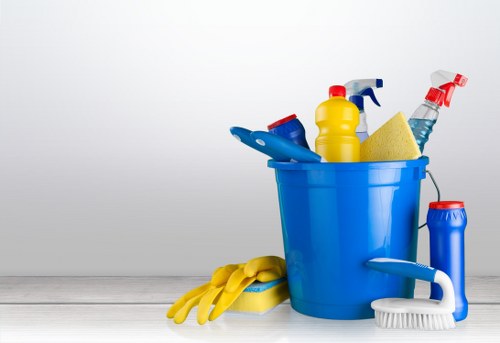
The best rug cleaning results often come from simple routine habits. Vacuuming is one of the most effective ways to remove loose dirt before it settles deep into the pile. For high-traffic areas, vacuuming two or three times a week may be necessary. For lower-use spaces, weekly cleaning may be enough. If your rug has fringe or a delicate weave, use a gentler setting and avoid aggressive suction that could pull fibers loose.
Rotation is another useful habit. Turning your rug every few months helps distribute foot traffic more evenly and prevents uneven fading from sunlight. This is a small but powerful part of rug cleaning maintenance because it extends the visual life of the rug. It also helps reduce wear in specific areas, such as walkways or seating zones.
Prompt spot treatment is essential. When spills happen, blot them immediately with a clean cloth instead of rubbing, which can spread the stain and push it deeper into the fibers. Use a mild cleaner suitable for the material, and test it in an inconspicuous area first. These simple routines support effective rug cleaning and reduce the need for more intensive restoration later.
Daily and weekly maintenance tips
- Vacuum regularly using the correct attachment
- Blot spills as soon as they occur
- Shake out smaller rugs when appropriate
- Rotate rugs every few months
- Keep rugs dry to prevent odors and mildew
Deep Rug Cleaning Methods That Restore Appearance

While routine care handles surface dirt, deep rug cleaning addresses embedded grime, allergens, and stains. There are several approaches, and each has advantages depending on the rug’s fiber type and condition. Steam cleaning, dry cleaning, hand washing, and professional immersion cleaning are among the most common options. The right choice depends on whether the rug can tolerate moisture, agitation, and drying time.
Steam cleaning can be effective for many synthetic rugs, but it is not always suitable for delicate natural fibers. Dry cleaning may work better for sensitive rugs that cannot handle much water. Hand washing is often used for high-value or handmade rugs, where careful treatment matters more than speed. Professional rug cleaning services often inspect the rug first, then choose a method that balances stain removal with fiber protection.
Deep cleaning should not be rushed. Proper drying is just as important as the cleaning itself. If moisture remains trapped in the backing or padding, mold and odors can develop. That’s why thorough rug cleaning is about more than removing visible dirt; it’s also about preserving structure, color stability, and long-term freshness.
When deep cleaning is most useful
- After spills that have soaked into the fibers
- When odors remain after vacuuming
- At seasonal intervals for maintenance
- When rugs look dull despite regular care
- After pet accidents or heavy foot traffic
Stain Removal in Rug Cleaning: What Works and What Doesn’t
Stains are one of the most common reasons homeowners seek rug cleaning help. The key to stain removal is acting quickly and choosing the right method for the type of spill. Water-based stains, such as coffee or juice, often respond well to blotting with a mild solution. Grease stains may need absorbent powder or a specialty cleaner. Protein-based stains from food or pets require careful treatment so they do not set permanently.
Never scrub aggressively, especially on wool, silk, or handwoven rugs. Scrubbing can distort fibers, spread the stain, and create a rough patch that stands out even after cleaning. Instead, work gently from the outside of the stain inward. This method supports more controlled rug cleaning and reduces the risk of visible damage.
It’s also important to avoid overly strong chemicals unless you know they are safe for the rug’s material. Bleach, ammonia, and harsh solvents can strip color or weaken fibers. For many homeowners, the safest path is to use a neutral cleaner and seek professional rug cleaning when stains are large, old, or difficult to identify. Acting early almost always improves the outcome.
Stain removal basics
- Blot the spill immediately with a clean towel.
- Test the cleaning solution in a hidden area.
- Apply cleaner lightly instead of soaking the rug.
- Blot again to lift residue and moisture.
- Allow the rug to dry fully before placing furniture back.
Professional Rug Cleaning vs. DIY Rug Cleaning
Many people wonder whether they should handle rug cleaning themselves or hire a professional. The answer depends on the rug’s value, material, and condition. DIY rug cleaning can be a good choice for routine maintenance, light stains, and durable synthetic pieces. It is cost-effective and convenient, especially when you know the fabric is safe for home treatment.
Professional rug cleaning becomes more important when dealing with valuable handmade rugs, persistent odors, heavy staining, water damage, or delicate fibers. Professionals have specialized equipment and knowledge that can help protect the rug while achieving a deeper clean. They may also offer advanced stain treatment, odor neutralization, and fiber-safe drying methods that are difficult to replicate at home.
If you are unsure which route to take, consider the risks. An expensive rug can lose color, shape, or texture if cleaned incorrectly. In those cases, professional rug cleaning is often the safer investment. For everyday items, a mix of routine DIY care and periodic professional service can offer the best balance of convenience and protection.
Benefits of professional service
- Specialized care for delicate materials
- Deep soil and allergen removal
- Safer stain and odor treatment
- Reduced risk of over-wetting or damage
- Longer rug lifespan with proper maintenance
Seasonal Rug Cleaning Strategies for Better Results
Different seasons bring different cleaning challenges. In winter, rugs often collect salt, mud, and moisture tracked in from outside. In spring, pollen and dust can settle into fibers. Summer may bring increased foot traffic, while fall often adds leaves, soil, and outdoor debris. Adjusting your rug cleaning habits throughout the year can help you stay ahead of these seasonal changes.
For example, during rainy seasons, entryway rugs may need more frequent vacuuming and faster drying after cleaning. In drier months, dust can accumulate more easily, so regular vacuuming becomes even more important. Seasonal rug cleaning is not just about appearance; it also helps manage allergens and keeps indoor spaces more comfortable throughout the year.
At least once or twice a year, consider a deeper cleaning schedule for rugs in main living areas. This is especially beneficial before hosting guests, after a busy holiday season, or when preparing your home for warmer weather. A seasonal approach makes rug cleaning more manageable and helps prevent problems before they become difficult to fix.
Seasonal checklist
- Inspect rugs for wear, fraying, or fading
- Vacuum more often during high-pollen or muddy seasons
- Address stains before they become permanent
- Ensure rugs dry completely after cleaning
- Store off-season rugs in a dry, clean area
How Rug Cleaning Supports Interior Design
Clean rugs do more than improve hygiene; they also strengthen the overall design of a room. A well-maintained rug anchors furniture, adds warmth, and ties together colors and textures. When a rug is stained, faded, or matted down, it can make even a beautiful room feel tired. Regular rug cleaning keeps the design fresh and balanced.
Interior designers often emphasize rugs as central visual elements. A clean rug can soften hard flooring, define open spaces, and add personality without overwhelming the room. If the pile is flattened or the colors look muted due to dirt buildup, the rug loses its impact. That is why rug cleaning plays a major role in preserving both function and style.
For homes with layered decor, rugs may need extra attention because they are part of a broader visual composition. Clean edges, rich color, and even texture help the room feel intentional. When your rug is cared for properly, it enhances the entire space rather than blending into the background.
Design benefits of clean rugs
- Brighter, more vibrant colors
- Better texture and pile definition
- Improved room balance and cohesion
- Enhanced comfort underfoot
- Stronger first impression for guests
Common Rug Cleaning Mistakes to Avoid
Even with good intentions, some cleaning habits can do more harm than good. One of the most common mistakes is using too much water. Over-wetting can lead to slow drying, mildew, and backing damage. Another mistake is applying the wrong cleaner to the wrong material. A product that works on one rug may permanently discolor another.
Many people also make the mistake of waiting too long to treat stains. The longer a spill sits, the more likely it is to bond with the fibers. Over time, this makes rug cleaning more difficult and may require specialized treatment. Another frequent issue is neglecting regular vacuuming, which allows abrasive dirt to wear down the pile.
A careful, consistent approach is always better than aggressive cleaning. If a stain or odor persists after basic treatment, it may be better to stop and seek expert help rather than risking more damage. Smart rug cleaning is about protecting the rug while improving its appearance and freshness.
Errors that can shorten rug life
- Using harsh chemicals without testing
- Soaking rugs excessively
- Scrubbing stains too hard
- Skipping regular vacuuming
- Ignoring drying time after washing
Creating a Rug Cleaning Routine That Works
A lasting rug cleaning routine does not need to be complicated. The best systems are simple, realistic, and matched to your household. Start by identifying which rugs get the most traffic and which ones need the most delicate treatment. Then set a schedule for vacuuming, spot treatment, rotation, and deep cleaning. When the routine is easy to follow, it becomes much more effective.
Households with pets or children may need more frequent rug cleaning than quieter homes. Entryway rugs and dining room rugs also tend to require extra attention because they collect soil and spills quickly. Build your routine around those high-use areas first, then extend it to the rest of the home. This approach saves time and keeps the most visible rugs in the best condition.
If you want lasting results, pair routine care with occasional professional service. This combination helps maintain the rug’s structure while managing deep soil and allergens. Whether you own one special statement rug or several functional pieces throughout the home, consistent rug cleaning is the key to keeping them attractive, clean, and comfortable for years.
Book your service now if your rugs need a deeper refresh, or contact us today to take the next step toward cleaner, healthier floors. A reliable rug cleaning plan can transform the way your home looks and feels.