Deep Cleaning in Modern Homes: A Practical Approach to a Fresher, Healthier Space
Deep cleaning is more than a quick tidy-up. It is the process of reaching the hidden dirt, dust, grease, and buildup that regular cleaning often misses. Whether you are preparing for a seasonal refresh, moving into a new place, or simply want a healthier environment, deep cleaning can make a remarkable difference in how your home looks, feels, and functions.
Many people use the term loosely, but true deep cleaning goes far beyond wiping visible surfaces. It includes scrubbing, sanitizing, disinfecting, organizing, and restoring neglected areas from top to bottom. Done properly, it can improve indoor air quality, reduce allergens, and extend the life of your furniture, fixtures, and appliances.
In this article, we will explore what deep cleaning involves, why it matters, how often it should be done, and what areas deserve special attention. You will also find practical tips, room-by-room strategies, and reasons why professional support can sometimes save both time and effort.
What Deep Cleaning Really Means

Deep cleaning is a detailed cleaning process that addresses areas usually skipped during routine upkeep. Instead of focusing only on surfaces that are easy to reach, deep cleaning targets corners, edges, behind appliances, under furniture, and other hidden zones where grime tends to build up.
This type of cleaning usually requires more time, stronger attention to detail, and the right tools for the job. It often includes tasks such as descaling bathroom fixtures, removing soap scum, vacuuming upholstered furniture, wiping baseboards, cleaning vents, and polishing high-touch surfaces.
Unlike everyday cleaning, deep cleaning is not just about making a place look neat. It is about restoring cleanliness at a deeper level so that your home becomes more hygienic, more comfortable, and easier to maintain afterward.
Why Deep Cleaning Matters
Every home accumulates dirt over time. Dust settles into corners, grease clings to kitchen cabinets, and moisture can create buildup in bathrooms. If these issues are ignored, they can affect both appearance and health. That is why deep cleaning is important for every household.
One major benefit is improved indoor air quality. Dust, pet dander, pollen, and other particles can collect in carpets, curtains, and vents. When deep cleaning removes these hidden pollutants, the air can feel fresher and easier to breathe.
Another advantage is prevention. Regular deep cleaning helps stop buildup before it becomes a bigger problem. For example, cleaning grout early can prevent staining, and wiping down appliances can help them work more efficiently over time.
Key Signs Your Home Needs Deep Cleaning
Sometimes the need for deep cleaning is obvious. Other times, the signs are subtle. If you are unsure whether it is time, look for these common indicators:
- Persistent dust shortly after cleaning
- Sticky kitchen surfaces or greasy cabinets
- Bathroom buildup on tiles, grout, or fixtures
- Lingering odors in carpets, trash areas, or upholstery
- Visible stains on walls, floors, or furniture
- Cluttered spaces that make routine cleaning difficult
- Allergy symptoms that worsen indoors
If several of these issues are present, deep cleaning is likely overdue. Addressing them early can prevent further deterioration and help you feel more comfortable in your space.
Many homeowners also schedule deep cleaning before guests arrive, after renovation work, or at the start of a new season. These moments are ideal because they offer a natural reset for the home.
For best results, deep cleaning should be treated as a planned task rather than an occasional reaction. A routine schedule makes the work more manageable and keeps mess from accumulating.
How Often Should Deep Cleaning Be Done?
The right schedule depends on your lifestyle, household size, and daily habits. In general, deep cleaning is recommended at least two to four times a year for most homes. However, busy households, homes with pets, or residences with allergy concerns may benefit from more frequent attention.
Some areas need deeper care monthly, while others can be tackled seasonally. Kitchens and bathrooms tend to require more frequent deep cleaning because they are exposed to grease, moisture, soap residue, and bacteria. Bedrooms, living rooms, and hallways may need fewer intensive sessions but still benefit from periodic detail work.
A useful approach is to divide tasks into daily maintenance, weekly cleaning, and seasonal deep cleaning. This reduces overwhelm and keeps your home consistently fresh without requiring a full-scale reset every week.
Suggested Deep Cleaning Schedule
- Monthly: vents, baseboards, cabinet fronts, under sinks
- Quarterly: appliances, windows, upholstery, mattresses
- Seasonally: carpets, closets, blinds, garage areas
- As needed: post-renovation dust, spill cleanup, moving transitions
Following a schedule helps make deep cleaning a manageable part of home care rather than a stressful burden.
Deep Cleaning Room by Room

One of the easiest ways to approach deep cleaning is to work room by room. This keeps the process organized and ensures that no important area gets overlooked. Each room has its own cleaning challenges, so a tailored strategy delivers better results.
Kitchen
The kitchen collects grease, crumbs, spills, and odors quickly. Deep cleaning here should include wiping cabinet doors, degreasing backsplash tiles, cleaning inside the oven, scrubbing the stovetop, emptying and sanitizing the fridge, and cleaning behind or under major appliances if possible.
Pay attention to small details such as handles, switches, sink drains, and trash bins. These high-touch areas often harbor buildup even when the rest of the kitchen appears clean.
Bathroom
Bathrooms need careful sanitation. Deep cleaning should focus on scrubbing grout, removing soap scum from shower doors, polishing faucets, disinfecting toilets, cleaning behind the toilet base, and treating mildew on damp surfaces.
Mirrors, exhaust fans, storage shelves, and medicine cabinets should also be included. A well-cleaned bathroom not only looks better but also feels more refreshing and hygienic.
Living Room
Living rooms gather dust from décor, electronics, and fabrics. Deep cleaning may include vacuuming upholstery, washing cushion covers, dusting ceiling fans, wiping shelving, cleaning window tracks, and moving furniture to clean underneath.
If you have rugs or carpets, professional shampooing or steam cleaning can help remove embedded dirt and revive the appearance of the space.
Bedrooms
Bedrooms are often overlooked during routine cleaning. A thorough deep cleaning session should include washing bedding, vacuuming mattresses, dusting headboards, wiping baseboards, organizing closets, and cleaning under the bed.
This is also a good time to declutter. Removing unused clothing, old storage items, and dust-collecting décor can create a calmer and cleaner environment.
Tools and Supplies That Make Deep Cleaning Easier
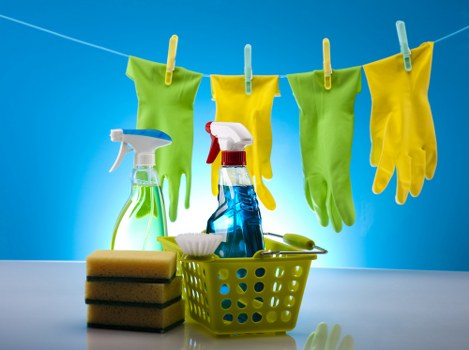
The right supplies can make deep cleaning more efficient and effective. While you do not need an overly complicated toolkit, having the basics on hand can save time and effort.
Essential Deep Cleaning Supplies
- Microfiber cloths
- Scrub brushes in different sizes
- Mop and bucket
- Vacuum with attachments
- All-purpose cleaner
- Glass cleaner
- Degreaser
- Disinfectant
- Grout cleaner
- Baking soda and vinegar for select tasks
Specialized tools can also be helpful. A grout brush, steam cleaner, extendable duster, and upholstery attachment can make tough jobs much easier. For best results, choose cleaning products based on the material you are treating.
Always read product labels carefully and avoid mixing chemicals unless the instructions specifically allow it. Safety should remain a priority during every deep cleaning session.
Having a caddy or portable basket for your supplies can help you move from room to room without interruption.
Step-by-Step Deep Cleaning Process
If you want to approach deep cleaning in a structured way, follow a top-to-bottom method. This keeps dust and debris from settling on already cleaned areas.
- Declutter the room first.
- Dust ceiling fans, vents, and light fixtures.
- Clean shelves, windows, and wall surfaces.
- Wipe furniture and detail corners.
- Vacuum carpets, rugs, and upholstery.
- Mop hard floors thoroughly.
- Sanitize high-touch surfaces such as switches and handles.
- Finish with fresh linens, polished surfaces, and air circulation.
This method works well for any room and helps you stay consistent. It also makes deep cleaning feel less overwhelming because you are following a clear sequence.
Helpful Tip
Work from the farthest point of the room toward the exit so you do not have to walk back over freshly cleaned floors. Small habits like this improve efficiency and protect your results.
Why Order Matters
When you deep clean in the correct order, you avoid duplicating work. Dusting after vacuuming, for example, can create unnecessary mess. A planned approach keeps momentum steady and reduces frustration.
Focus on Consistency
Consistency is the secret to better long-term results. Even if you cannot complete everything in one day, regular progress leads to a cleaner, healthier home.
Benefits of Professional Deep Cleaning
While many homeowners handle some tasks themselves, professional deep cleaning can be a smart investment. It is especially useful when your schedule is full, the property is large, or the level of buildup requires expert equipment and experience.
Professionals often use advanced tools that remove dirt more thoroughly than standard household products. They can also tackle hard-to-reach areas, delicate materials, and stubborn buildup with greater precision.
For people with mobility concerns, busy work schedules, or post-event cleanup needs, hiring help can be a practical solution. It saves time, reduces stress, and delivers a noticeably polished finish.
Professional deep cleaning is also useful before selling or renting a property. A clean space creates a stronger first impression and can support a smoother transition.
Common Mistakes to Avoid During Deep Cleaning
Even with good intentions, some people make mistakes that reduce the effectiveness of deep cleaning. Avoiding these errors can help you achieve better results.
- Skipping preparation: Decluttering first makes cleaning easier.
- Using the wrong product: Not every surface can handle the same cleaner.
- Cleaning in the wrong order: Start high and finish low.
- Rushing the process: Deep cleaning needs time for detail work.
- Ignoring hidden spots: Behind appliances and under furniture matter.
- Forgetting ventilation: Fresh air helps with odors and drying.
By avoiding these common errors, your deep cleaning efforts will be more effective and far less frustrating.
Deep Cleaning for Seasonal Changes
Seasonal changes are an excellent time to refresh the home. Spring often inspires dust removal, window cleaning, and decluttering. Summer may call for extra attention to entryways, cooling vents, and moisture-prone areas. Autumn is ideal for preparing indoor spaces for more time spent inside, while winter deep cleaning often focuses on carpets, upholstery, and high-touch surfaces.
A seasonal routine keeps your home in better condition throughout the year. It also prevents small problems from turning into larger cleaning tasks later. Many people find that aligning deep cleaning with the seasons makes it easier to remember and easier to complete.
If you live in an area with heavy pollen, damp weather, or lots of foot traffic, seasonal deep cleaning becomes even more valuable. It helps maintain freshness and supports a more comfortable indoor environment.
How Deep Cleaning Supports a Healthier Home
A cleaner home can contribute to a more comfortable and healthier lifestyle. When dust, mold, and grime are reduced, many people notice fewer irritants in their living space. This can be especially helpful for households with children, older adults, or allergy-sensitive individuals.
Deep cleaning also supports better hygiene. Bathrooms and kitchens, in particular, can harbor bacteria and residue if neglected. Thorough sanitation of these areas helps reduce the spread of germs and keeps shared spaces safer.
In addition to physical benefits, a deep-cleaned home can improve mental well-being. Cluttered or dirty spaces often feel stressful. A fresh, organized environment tends to promote calm, focus, and a greater sense of control.
When to Consider Extra Help
There are times when deep cleaning becomes too large for one person or one weekend. If the home has not been cleaned in a while, if you are recovering from a major life change, or if there is significant buildup from pets, kids, or a renovation project, additional help may be needed.
It is also wise to seek assistance if you are dealing with stubborn stains, heavy grease, mold growth, or high-level dust accumulation. Some tasks require more than patience; they require experience and the right equipment.
Remember, asking for help is not a sign that you are failing at home care. It is simply a practical decision that can preserve time, energy, and results.
Final Thoughts on Deep Cleaning
Deep cleaning is one of the most valuable things you can do for your home. It improves appearance, supports hygiene, reduces buildup, and creates a more comfortable living environment. Whether you handle the work yourself or bring in professional support, the benefits are clear and lasting.
By building a routine, using the right tools, and paying attention to often-forgotten areas, you can keep your space cleaner for longer. A little planning goes a long way, and the results are always worth it.
If your home is ready for a fresh start, now is the perfect time to take action. Book your service now or contact us today to make deep cleaning easier, faster, and more effective.