Tottenham High Road retail cleaning case study for Haringey shops
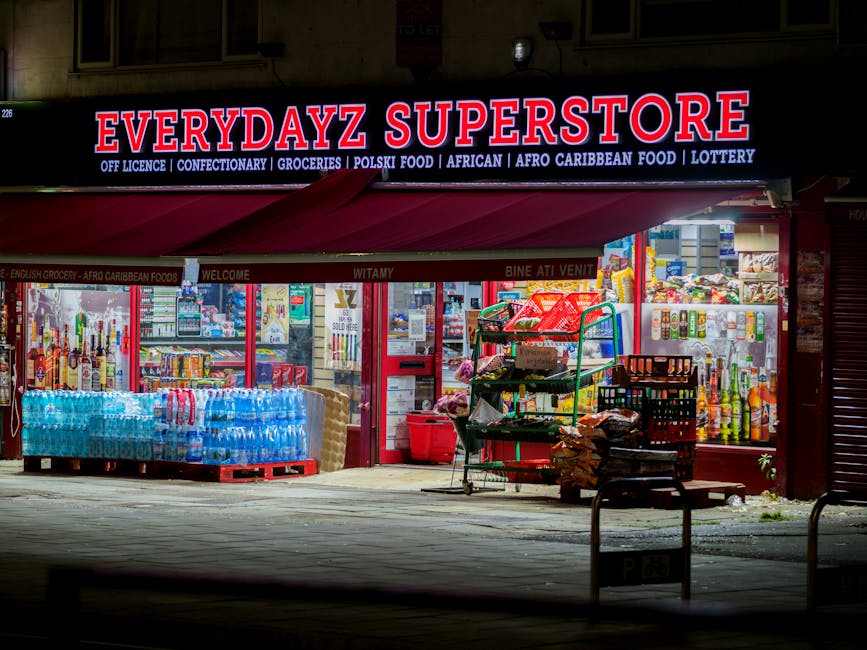
If you run a shop on Tottenham High Road, you already know the basics: the front window has to look sharp, the floor has to stay safe, and the whole place needs to feel cared for before the first customer even walks in. A Tottenham High Road retail cleaning case study for Haringey shops is useful because it shows what actually works in a busy local setting, not just in theory. In a street with constant footfall, changing weather, and plenty of in-and-out traffic, retail cleaning is less about "making things tidy" and more about protecting presentation, hygiene, and trust. Let's face it, a clean shop is part of the product.
This guide breaks down how retail cleaning is typically planned and delivered for high street shops in Haringey, what benefits shop owners can expect, where the common issues appear, and how to decide between one-off, deep, regular, or specialist cleaning support. You'll also see how services such as commercial cleaning, window cleaning, and regular cleaning can fit into a sensible maintenance plan for a retail unit. No fluff. Just practical, grounded advice for real shops.
Why Tottenham High Road retail cleaning case study for Haringey shops Matters
Tottenham High Road is not the kind of place where a shop can hide a bit of dust in the corner and hope nobody notices. There's visible pressure all day long. Customers judge the state of the entrance, the glass, the till area, the fitting room, the shelves, the floor by the door, even the smell in the air. A retail space in this part of Haringey is often competing with busy schedules, fast visits, and split-second decisions.
That is why a local cleaning case study matters. It gives shop owners a clearer picture of the operational reality: dirt comes in from the street, packaging waste builds up quickly, windows collect fingerprints within hours, and back-of-house areas can slip into disorder if no system is in place. In a small shop, one bad afternoon can leave a surprisingly big impression.
There is also a local context. Haringey retail businesses often serve mixed communities, commuter traffic, families, and occasional late-evening shoppers. That means standards need to hold across different times of day, not just during quiet periods. A proper cleaning routine helps a shop stay calm, consistent, and easier to manage. And yes, it can make staff lives better too. Nobody enjoys starting the day with yesterday's mess staring back at them.
Expert summary: In busy high street retail, cleaning is not an afterthought. It supports sales, safety, staff morale, and customer confidence in one go. The shops that do best usually treat cleaning as part of day-to-day operations, not a rescue job when things have already gone a bit sideways.
How Tottenham High Road retail cleaning case study for Haringey shops Works
Retail cleaning on a high street like Tottenham High Road normally starts with a site review. The cleaner or cleaning manager looks at the shop layout, entry points, customer flow, flooring type, displays, stock movement, and the condition of the back area. A clothing shop will need a different rhythm from a convenience store, and a service-led retail space will have different priorities again. That sounds obvious, but people still skip it. Then they wonder why the clean doesn't last.
From there, the work is usually split into zones:
- Front-of-house: glass, entrance mats, display areas, skirting, high-touch points, and public-facing floors.
- Sales floor: dust removal, shelf wiping, spot-cleaning, bin emptying, and debris control.
- Back-of-house: storage, break areas, staff toilets, sinks, and stock handling spaces.
- Specialist touches: carpet care, upholstery spot treatment, window cleaning, and deeper sanitising where needed.
On a practical level, a good service plan balances visible impact with hidden hygiene. It is one thing to make a counter shine; it is another to stop grime creeping under fixtures or behind shelving. A retail space usually needs both.
In many cases, the best result comes from combining a one-off reset with ongoing maintenance. A one-off clean can get the shop back into shape, while a planned schedule keeps standards steady. For businesses with heavier footfall or a more premium presentation, deep cleaning may be used alongside ongoing one-off cleaning or repeat visits. Not every shop needs the same level of intervention, and that is fair enough.
Key Benefits and Practical Advantages
When retail cleaning is done properly, the benefits show up in very ordinary places. A better-smelling shop. Clearer floors. Cleaner glass. Less clutter. But the real value goes deeper than appearances.
- Better first impressions: Customers notice a clean entrance almost instantly. That first glance matters more than most owners think.
- Lower slip and trip risk: Loose debris, wet patches, and neglected flooring can create avoidable hazards.
- Longer-lasting fixtures: Regular cleaning helps protect flooring, counters, and display surfaces from buildup and damage.
- Staff efficiency: Teams work better in a space that already has a clear cleaning routine. Less scrubbing, less panic, more order.
- Brand consistency: If your shop looks tidy every day, customers start to trust the whole operation a bit more.
- Better back-of-house control: A clean stockroom is easier to use, safer to move through, and less likely to become a catch-all for forgotten items.
There is also a subtle financial upside. While it is not sensible to invent exact figures, cleaner premises can reduce the need for sudden remedial work and help you avoid expensive catch-up cleans. In plain English: a little consistency usually costs less than occasional chaos.
For retail businesses with carpets, fabric seating, or waiting areas, specialist services can help extend the life of interior furnishings. Carpet cleaning, upholstery cleaning, and window cleaning are often the services that quietly make the biggest visual difference.
Who This Is For and When It Makes Sense
This kind of cleaning support makes sense for a wide range of Haringey retailers. You might run a fashion boutique, a phone repair shop, a pharmacy, a convenience store, a beauty retailer, or a small specialist business where presentation is part of the sale. The model changes, but the need is similar: customers should feel comfortable walking in and staff should not be fighting grime all day.
It is especially useful if:
- your shop gets regular footfall from the street
- you have glass fronts that show fingerprints quickly
- customers browse for longer periods rather than buying and leaving
- you have changing rooms, counters, or chairs that are used often
- you've recently fitted out the shop and want to protect the finish
- you're preparing for a reopening, launch, inspection, or seasonal rush
- your team is too busy to manage a proper cleaning system consistently
Truth be told, some shops only realise they need a structured plan after the first few weeks of trading. That is usually when the dust settles, literally, and the practical realities start showing. If your shop has just been refurbished or reopened after work, a service such as after builders cleaning can be a very sensible first step before regular maintenance begins.
And if the space needs a full refresh before trading starts again, a shop-level move in cleaning style reset can be useful for new occupiers, even if the premises are commercial rather than residential. The point is the same: start from clean, then stay clean.
Step-by-Step Guidance
If you are planning retail cleaning for a Tottenham High Road shop, a simple process keeps everything easier to manage. Here's a sensible step-by-step approach that works in real life, not just on paper.
- Walk the shop like a customer. Start at the entrance and move through the space slowly. Notice what catches the eye first: smudged glass, dusty skirting, tired flooring, bins, scuffs, or clutter.
- List the priority zones. Separate front-of-house, stock, staff, and specialist areas. That helps you avoid paying for the wrong kind of clean in the wrong place.
- Set the frequency. Some areas need daily attention, some weekly, and some only occasional deeper treatment. Not every surface needs the same schedule.
- Decide what is visual and what is hidden. The eye-catching tasks matter, but so do corners, undersides, shelves, and high-touch points people keep forgetting.
- Choose the right service mix. For some shops, that means regular maintenance plus occasional deep cleans. For others, it means periodic window work and carpet care.
- Put standards in writing. Short notes work best: what is cleaned, how often, and what "done properly" looks like.
- Review after the first few visits. Be honest about what still looks dull or gets dirty too fast. Adjust the plan rather than pretending it is fine.
A small but important point: if the team cannot tell the difference between a quick tidy and a proper clean, the results will drift. This happens more often than people admit. It's not drama, just human nature.
Expert Tips for Better Results
In our experience, the best retail cleaning outcomes come from boring habits done well. That is not glamorous, but it works.
- Clean the entrance first. This area shapes first impressions and tends to collect the most visible dirt.
- Prioritise touch points. Door handles, card machines, counters, rails, and shared surfaces need regular attention.
- Use the right finish for the floor. A glossy floor that still feels slightly tacky is a bad idea. Safer, duller, cleaner is usually better.
- Separate stock handling from cleaning. Mixing the two creates mess, wasted time, and avoidable cross-contamination.
- Don't ignore glass edges and frames. Customers may not consciously notice them, but they absolutely register when they're dirty.
- Keep a simple rhythm. A steady routine beats occasional heroics. Every time.
Here's a tiny real-world observation: shops often spend more time cleaning in the middle of a crisis than they would have needed if they had just spent ten minutes a day staying on top of things. It sounds obvious. Still happens, though.
If your retail unit has staff facilities or shared access areas, it may be worth thinking beyond the shop floor. Services like communal area cleaning can be relevant where a shop shares parts of a building, and office cleaning may suit back-office admin spaces tucked behind the main retail area.
Common Mistakes to Avoid
A lot of retail cleaning problems are not caused by bad intentions. They happen because the work is rushed, poorly scoped, or never reviewed. That's the frustrating bit.
- Assuming "visibly tidy" means clean. Dust, residue, and grime can remain long after the shop looks neat.
- Using one routine for every surface. Floors, glass, upholstery, and shelving all need different approaches.
- Ignoring back-of-house areas. If the storage space is chaotic, the whole shop feels less controlled.
- Cleaning around fixtures instead of under them. Dirt hides there and comes back quickly.
- Skipping a deeper reset. Regular cleaning is great, but some jobs need a more thorough overhaul now and then.
- Not checking the schedule after busy periods. Seasonal peaks, sales, and delivery days can throw the whole routine off.
Another common mistake is expecting every retailer to need the same package. A small specialist boutique and a busy convenience store are not the same beast. The clean should match the business, not the other way round.
Tools, Resources and Recommendations
When people hear "tools," they sometimes picture shelves full of gadgets. In practice, good cleaning is often about a modest kit used properly. The basics still matter.
| Need | Useful approach | Why it helps |
|---|---|---|
| Visible shine | Microfibre cloths, streak-free glass care, scheduled window cleaning | Keeps the shop front inviting and professional |
| Floor safety | Matched floor-care products and regular debris removal | Reduces slip risk and keeps surfaces looking even |
| Deep refresh | Planned deep cleaning | Helps deal with buildup and neglected areas |
| Fabric care | sofa cleaning and upholstery cleaning | Useful for seating, waiting areas, and soft furnishings |
| Hard floor support | Routine sweeping, mopping, and spot checks | Prevents grit from grinding into the surface |
For shop owners comparing options, it also helps to think about your cleaning priorities in this order: safety first, presentation second, longevity third. That order can shift slightly by business type, but it is a sensible starting point.
If you are at the budgeting stage, it is worth looking at pricing and quotes before deciding on a schedule. Clear expectations matter. So does transparency. If a provider also communicates clearly about policies such as terms and conditions, privacy policy, and payment and security, that is a good sign of a more organised operation.
Law, Compliance, Standards, or Best Practice
Retail cleaning in the UK touches on several practical compliance areas, even when the job itself is straightforward. You do not need to become a legal specialist, but you do need a sensible grasp of duties around safety, hygiene, and responsibility for staff and visitors.
Best practice normally includes:
- clear cleaning schedules and task ownership
- safe storage of cleaning materials and equipment
- appropriate use of products for different surfaces
- risk awareness around wet floors, cables, and access routes
- attention to staff welfare and safe working conditions
- basic record keeping where useful for accountability
For commercial clients, it is wise to look for evidence that a provider takes safety seriously. Pages such as health and safety policy and insurance and safety are not just paperwork. They help show how the service thinks about risk, responsibility, and professionalism. That matters in a public-facing shop where people are coming and going all day.
Environmental responsibility can also matter for retailers who want a cleaner operation without unnecessary waste. A sensible approach to materials, packaging, and disposal aligns well with recycling and sustainability. You do not need a grand statement; you just need a practical one.
Finally, if there is ever a concern or service issue, a clear complaints procedure helps keep things fair and manageable. That is the kind of boring but important detail people appreciate when they need it.
Options, Methods, or Comparison Table
Retail cleaning usually comes down to choosing the right mix of routine and deeper support. Here is a simple comparison that helps shop owners think it through without overcomplicating things.
| Approach | Best for | Strengths | Limitations |
|---|---|---|---|
| Regular cleaning | Busy shops that need consistent upkeep | Keeps standards stable, easy to schedule, practical for daily life | May not be enough for heavy buildup or neglected areas |
| One-off cleaning | Reopening, events, refreshes, problem periods | Good reset value, flexible, useful when the shop needs a visible improvement fast | Doesn't maintain standards on its own |
| Deep cleaning | High-traffic spaces, built-up grime, periodic overhauls | Reaches the hidden stuff and improves overall condition | Takes more time and planning |
| Specialist add-ons | Glass, fabrics, carpets, soft furnishings | Targets the parts customers notice most | Usually works best as part of a wider plan |
The right choice often depends on the age of the shop, foot traffic, fit-out materials, and how much cleaning the team can genuinely keep up with. Be honest here. Not idealistic. Honest.
Case Study or Real-World Example
Here's a realistic example based on a typical Haringey high street shop scenario. A small retail unit on Tottenham High Road had a front window that looked fine from a distance, but the closer you got the more the story changed: fingerprints on the glass, dusty edges around display shelves, scuffed flooring near the entrance, and a back store room that had become a sort of reluctant dumping ground for cardboard and packaging.
The shop owner did not need a full redesign. They needed control.
The cleaning plan started with a proper reset. The front glazing was cleaned first because that was the biggest visible problem. The entrance floor was treated so it looked fresher and no longer carried that faint, gritty feel underfoot. Shelves, counters, skirting, and high-touch points were then worked through methodically, and the stockroom was sorted so deliveries had somewhere sensible to go. A second visit focused on maintaining the new standard rather than fighting old buildup.
What changed?
- The shop looked more open and less tired from the street.
- Staff spent less time improvising clean-ups during trading hours.
- Customers had a better first impression before anyone said a word.
- The owner could see which areas needed daily attention and which only needed weekly care.
Nothing magical happened. No dramatic transformation montage, no miracle spray. Just a clear plan, regular follow-through, and the kind of cleaning that matches the way a shop actually operates.
That is often the real lesson of a Tottenham High Road retail cleaning case study for Haringey shops: the best results come from steady systems, not occasional panic.
Practical Checklist
Use this checklist when planning or reviewing a retail cleaning routine for a Haringey shop.
- Walk the shop from the customer's point of view.
- List the top five visible problem areas.
- Separate front-of-house, back-of-house, and specialist surfaces.
- Decide what needs daily, weekly, and periodic attention.
- Check whether glass, flooring, carpets, or upholstery need specialist care.
- Confirm what happens after deliveries, wet weather, or busy trading days.
- Ask how waste, bins, and recycling are handled.
- Make sure cleaning products suit the surfaces in your shop.
- Review health and safety responsibilities around wet floors and access routes.
- Set a simple standard for what "clean enough to trade" actually means.
- Schedule a deeper reset when visible maintenance is no longer enough.
- Keep the plan short enough that staff can realistically follow it.
If that looks simple, good. It should be. Simple systems tend to survive busy weeks.
Get a free quote today and see how much you can save.
Conclusion
A strong retail cleaning approach on Tottenham High Road is really about reliability. Not perfection. Reliability. Customers want to see a shop that feels cared for, staff want a space that is manageable, and owners want a system that does not collapse the moment trade gets busy. That is the heart of this topic.
For Haringey shops, the smartest approach is usually a mix of visible care, planned maintenance, and occasional deeper support where needed. Window cleaning, regular floor care, deep cleans, and well-managed back-of-house routines all play a part. Put together properly, they support trading rather than distracting from it.
And honestly, that is the nice part. A clean shop rarely shouts about itself, but people feel it immediately when they walk in.
When the front looks calm and the details are under control, the whole business feels a little easier to trust.
Frequently Asked Questions
What does a retail cleaning case study actually show?
It shows how cleaning is planned, what areas matter most, what problems usually appear, and which solutions are practical in a real shop setting. For Tottenham High Road retailers, that usually means balancing presentation with day-to-day wear and tear.
Why is Tottenham High Road a different cleaning challenge?
Because high street shops deal with heavy footfall, changing weather, fast customer turnover, and more visible dirt near the entrance. The cleaning has to keep up with the pace of the street.
How often should a shop on Tottenham High Road be cleaned?
It depends on foot traffic, store type, and opening hours. Many shops benefit from daily front-of-house upkeep plus scheduled regular cleaning. Some also need periodic deep cleaning or specialist window work.
What is the difference between regular cleaning and deep cleaning?
Regular cleaning keeps the shop presentable and manageable on an ongoing basis. Deep cleaning is more thorough and targets buildup, neglected areas, and detail work that routine cleaning may not fully cover.
Do small Haringey shops need commercial cleaning?
Usually, yes, if they want a reliable standard without putting everything on staff. Commercial cleaning is useful for small shops too, especially where presentation, safety, and repeat customer impressions matter.
Can retail cleaning help with customer experience?
Absolutely. A clean entrance, clear glass, tidy shelves, and fresh-smelling interiors make a shop feel easier to trust. Customers may not mention it, but they notice it.
What areas do people forget most often?
Stockrooms, skirting, shelf edges, door frames, behind fixtures, and touch points at the counter. Those hidden areas can quietly drag the whole impression down if nobody checks them.
Is one-off cleaning enough for a shop?
It can be enough for a reset, reopening, or special event. But on its own, it usually will not maintain standards. Most shops need some form of ongoing cleaning to stay consistent.
How do I compare cleaning options for my shop?
Start with the problem you are trying to solve. If the shop needs steady upkeep, look at regular cleaning. If it needs a visible refresh, consider one-off or deep cleaning. If glass, carpets, or upholstery are the issue, add specialist services where relevant.
What should I ask before booking a cleaner for a retail unit?
Ask what areas are included, how often the clean can happen, whether the provider understands commercial spaces, how they handle safety, and whether they can tailor the service to your layout and trading hours.
Does cleaning affect safety in a shop?
Yes. Clean floors reduce grit and clutter, clear walkways reduce trip risks, and well-kept entrances are less likely to cause avoidable accidents. Safety and cleanliness tend to support each other.
Where should I start if my shop needs a serious refresh?
Start with a walk-through of the public-facing areas, then tackle the entrance, windows, floors, and counters first. After that, move into storage and back-of-house spaces. If the shop is very tired, a deep clean is usually the most practical reset.
If you want to explore the service approach behind this kind of work, the best next step is often to review the provider's about us page and then decide whether your shop needs a routine plan, a one-off reset, or something in between. It should feel sensible, not stressful. And that's the goal, really.